Are Tattoo Inks Safe?
Tattoo Inks are a hot topic at the moment! In reality there are entire regimes of regulation to ensure public safety, so lets look at what is really going on behind the Ink safety discussion.
Are Tattoo Inks Safe?
Tattoos have been a form of self-expression for centuries, but in recent years, questions about the safety of tattoo inks have gained attention. With advances in ink formulation and regulation, modern tattoo pigments are safer than ever before. This does not mean however that there are not unsafe inks on the market. Let’s explore what makes tattoo inks safe and how you can ensure you’re getting the best quality ink from your tattoo artist.
Regulated and Tested Ingredients
Today, reputable tattoo ink manufacturers adhere to strict guidelines regarding the ingredients used in their formulations. In many regions, tattoo inks are regulated to ensure they do not contain harmful substances such as heavy metals, carcinogens, or toxic chemicals.
High-quality tattoo inks are made from organic or inorganic pigments suspended in a carrier solution, typically composed of water, glycerin, or alcohol. These ingredients ensure the ink remains stable, vibrant, and safe for use in the skin. Professional-grade inks undergo rigorous testing to ensure they meet safety standards, reducing the risk of adverse reactions.
Advancements in Tattoo Ink Technology
Over the past few decades, ink manufacturers have improved their formulations to create safer and more reliable products. Many modern inks use vegan-friendly and hypoallergenic ingredients, eliminating the need for animal-based components or harsh preservatives.
Regulation to Protect Consumers
Australian tattooers rely predominetly on inks that are manufactured internationally. Inks being imported by profesional supply houses in Australia are requiered to have saftey data sheets and certificates of compliance from their country of production.
European Union
The EU has a comprehensive and binding regulatory framework under the REACH (Registration, Evaluation, Authorisation and Restriction of Chemicals) regulation.
- Strict Chemical Limits: Since January 2022, the EU has banned or restricted over 4,000 hazardous substances in tattoo inks and permanent makeup, including specific heavy metals and certain organic compounds.
- Mandatory Labeling: Inks sold in the EU must be clearly labeled with ingredients, manufacturing dates, expiration dates, and relevant certifications.
- Goal: The aim is to make the colours used in tattoos and permanent makeup safer.
note - the chemical limits outlined within the Reach regulation are largley based on risk mitigation as many of the toxilogical studies on chemicals utlised in small amounts within tattoo inks have not been undertaken.
United States
In the US, the Food and Drug Administration (FDA) considers tattoo inks to be cosmetics, but traditionally has not exercised robust regulatory authority over them, largely relying on a complaints-based system.
- Modernization of Cosmetics Regulation Act (MoCRA): Passed in 2022, MoCRA granted the FDA more authority, including the power to mandate facility registration, require adverse event reporting, and initiate recalls of contaminated products.
- No Pre-Market Approval: The FDA has not approved any specific pigments or colour additives for injection into the skin for cosmetic purposes.
- State and Local Oversight: Regulations regarding the practice of tattooing (e.g., hygiene standards for studios) are primarily handled at the state and local levels.
Australia
Australia currently does not have a national regulatory framework for tattoo inks but relies on existing industrial chemical regulations.
- AICIS and TGA: All manufactured or imported inks must be registered with the Australian Industrial Chemical Introductions Scheme (AICIS), and the Therapeutic Goods Administration (TGA) ensures inks do not contain substances listed in the Poisons Standard.
- State and Territory Responsibility: State and territory authorities are responsible for regulating tattoo businesses and the safety of inks within their jurisdictions.
Avoiding Unsafe Tattoo Inks
While most professional tattoo studios use high-quality, regulated inks, there are still risks associated with low-quality or counterfeit inks. Here’s how to ensure you’re getting safe tattoo ink:
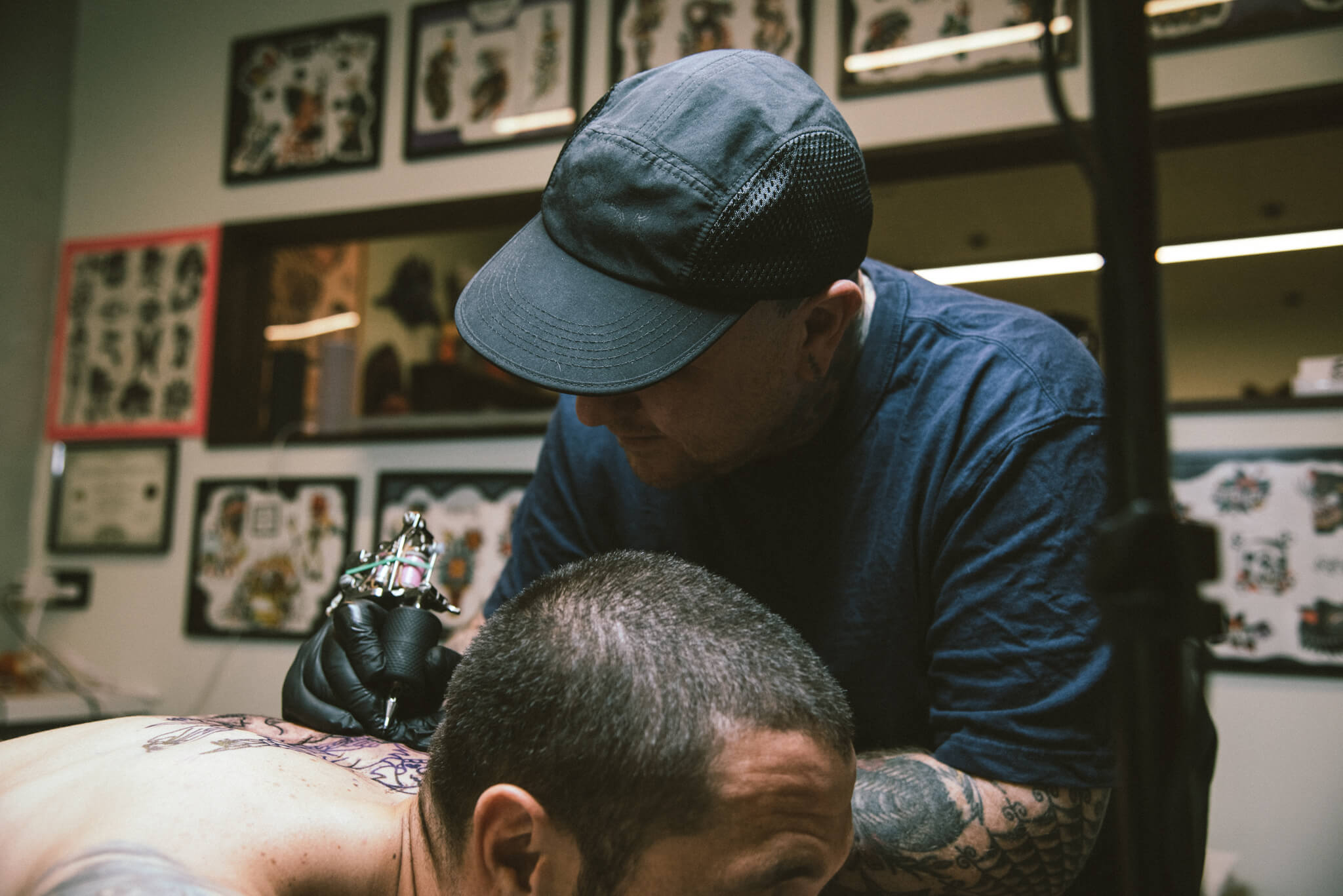
- Choose a Profesional Tattoo Artist – Reputable tattoo artists use certified, professional-grade inks that comply with industry safety standards.
- Ask About Ink Brands – Don’t be afraid to ask your artist about the ink they use. Trusted brands will have ingredient lists and safety certifications available.
- Avoid Homemade or Unregulated Inks – Some unregulated inks may contain unsafe ingredients or be contaminated with bacteria, increasing the risk of skin reactions or infection.
-
When done professionally using high-quality inks, tattoos are safe. Advances in ink formulations and regulatory oversight have made modern tattoo pigments safer than ever. By choosing a reputable artist and high-quality inks, you can enjoy your tattoos with confidence, knowing they are made with your safety in mind.
At Green Lotus Tattoo and Laser, we prioritise safety, artistry, and customer satisfaction. Whether you’re looking for a new tattoo or considering laser tattoo removal, we ensure the highest standards in every step of the process. Contact us to learn more about safe tattooing and removal options!
Subscribe to our newsletter
Stay up to date with everything happening at Green Lotus including; Special Offers and Events as well as Guest Artist announcements.