Why a Consultation Matters in Tattoo Removal
Tattoo removal can be a daunting prospect. In this article we discuss what you can expect during your first consultation at Green Lotus Laser, Brunswick Melbourne.
A consultation is one of the most important parts of the tattoo removal process, even though it doesn’t involve a laser at all. Tattoo removal isn’t a one-size-fits-all treatment, and a proper consultation sets realistic expectations, protects your skin, and determines whether removal, fading, or an alternative approach is actually the right choice for you.
During a consultation, the practitioner evaluates the tattoo itself. Factors like ink color, density, age of the tattoo, placement on the body, and how it was originally applied all affect how well a tattoo will respond to laser treatment. A heavily saturated professional tattoo behaves very differently from a lightly done amateur one, and certain colors break down faster than others. Without assessing these details first, it’s impossible to give an accurate timeline or treatment plan.
Skin type and tone are also critical considerations. Different skin tones require different laser settings to minimize the risk of hyperpigmentation, hypopigmentation, or scarring. A consultation allows the technician to choose the safest technology and settings for your skin, rather than relying on generic protocols. This step is essential for long-term skin health, especially for clients with darker skin tones or sensitive skin.
A consultation is where expectations are grounded in reality. Many people assume tattoo removal is a fast process, but the truth is that removal is a gradual process that depends on your immune system as much as the laser itself. During the consultation, you should be told how many sessions you might need, how far apart they’ll be, what kind of fading is realistic, and whether full removal is achievable or if partial fading is a better goal. Honest conversations here prevent frustration later.
Health history is another reason consultations matter. Certain medical conditions, medications, recent sun exposure, or skin issues can affect whether it’s safe to proceed with laser treatment. A consultation gives you space to disclose this information and gives the practitioner a chance to adjust the plan or delay treatment if necessary. Skipping this step increases the risk of poor healing or complications.
Consultations are also important for people considering laser removal for a cover-up rather than full removal. In these cases, the goal isn’t to erase the tattoo completely but to fade it enough for a new design to work cleanly. A good consultation aligns the laser plan with future tattoo goals, often in collaboration with a tattoo artist, so you don’t over-treat or under-treat the area.
Finally, a consultation helps establish trust. Tattoo removal can be an emotional process tied to regret, growth, or change. Sitting down with a practitioner who listens, explains the process clearly, and answers questions without judgment makes a significant difference in how confident you feel moving forward. It’s also your opportunity to assess the clinic’s professionalism, hygiene standards, and communication style.
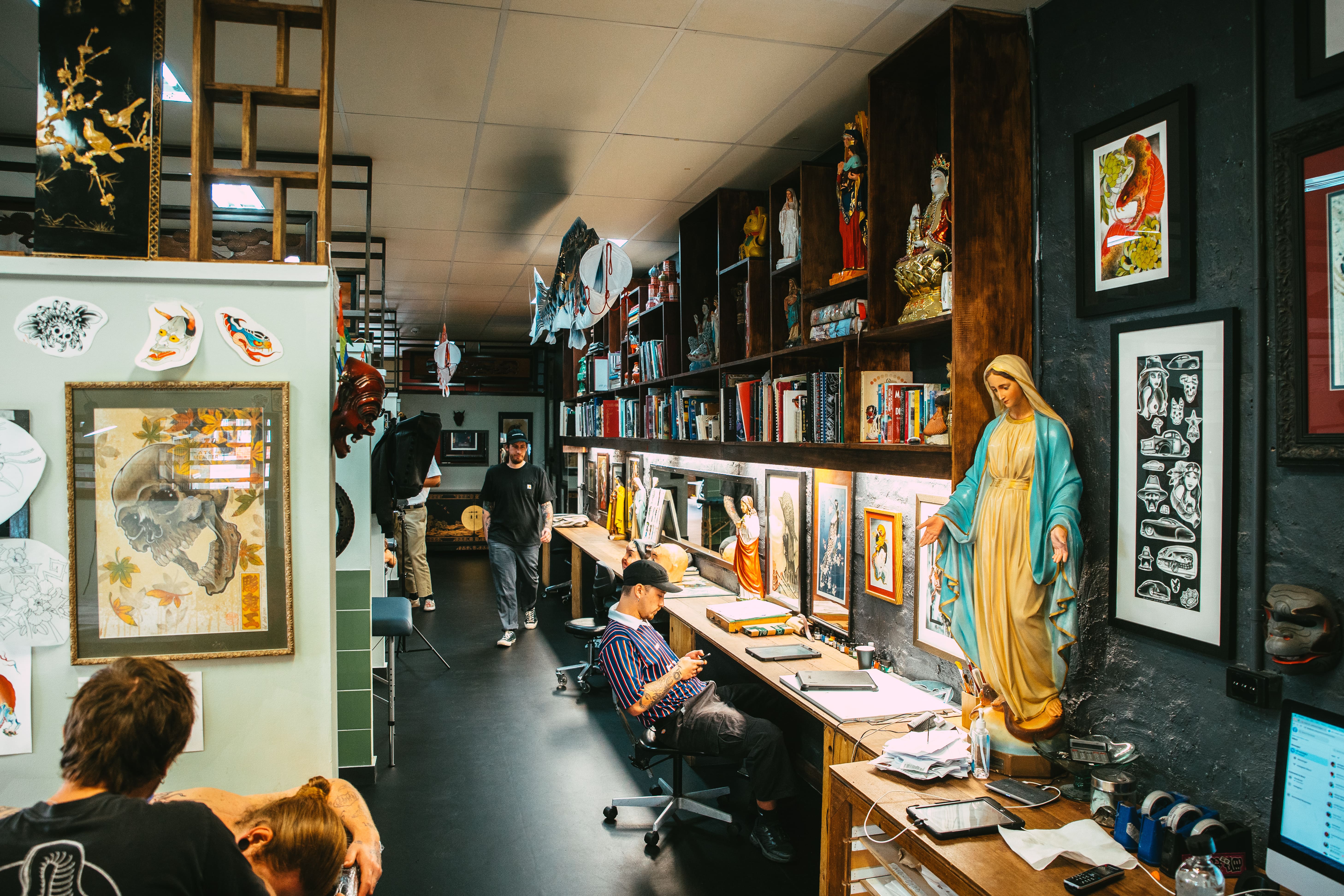
Green Lotus Laser located in Brunswick, Melbourne also has the added benefit of being located directly next door to our sister studio Green Lotus Tattoo. Having experienced tattoo artists on hand to provide input into cover work adds value for clients. Its also convenient if you are thing of getting a new tattoo.
Subscribe to our newsletter
Stay up to date with everything happening at Green Lotus including; Special Offers and Events as well as Guest Artist announcements.